
CIPAPeace Begins with Dignity
العربية

Core International Peace Anchor · Amira Elsallab

CIPA. Peace Begins with Dignity

Core International Peace Anchor, founded by Amira Elsallab. A home for Egyptian craft, its makers and their stories.

Meet the crafts

An interactive 3D walk through CIPA

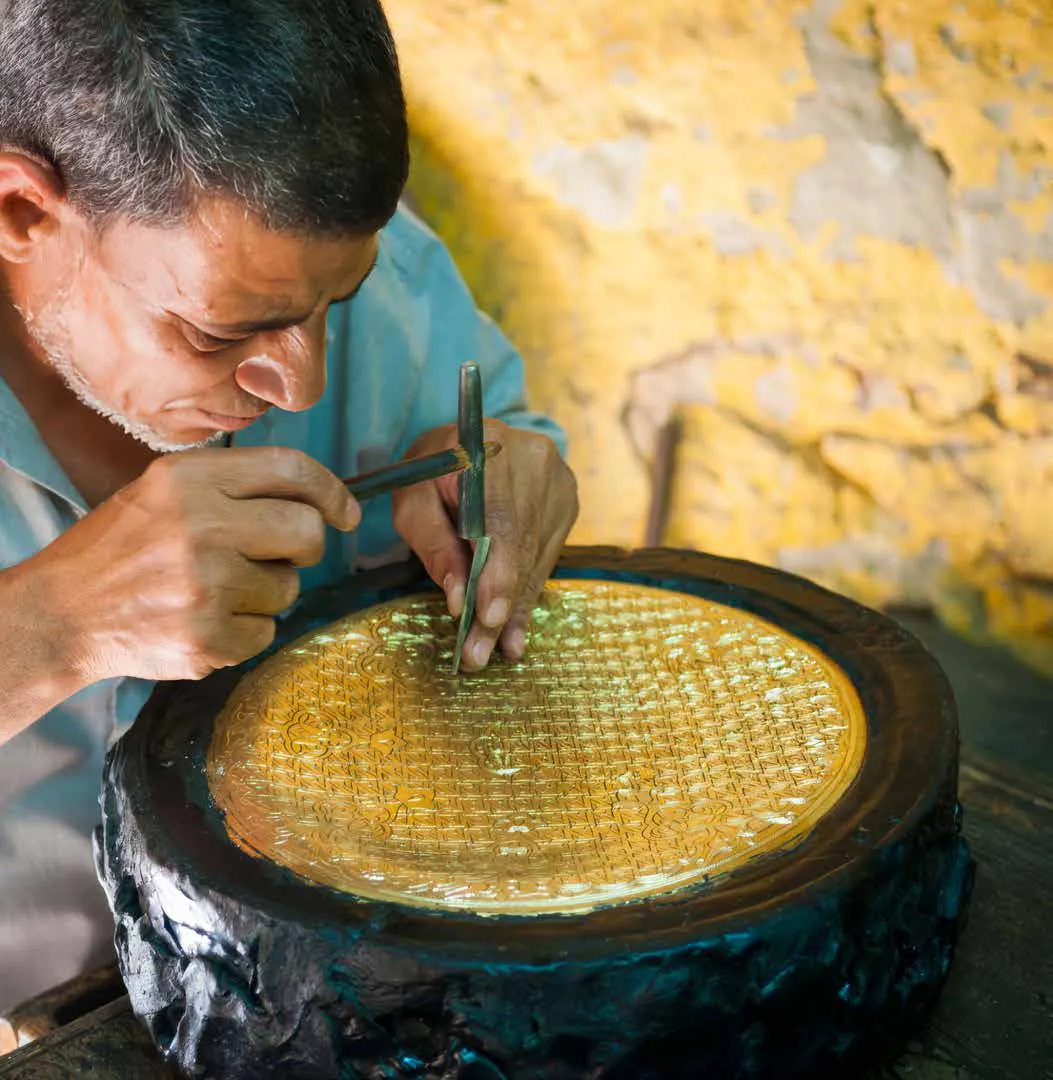
Hands hammering a brass tray
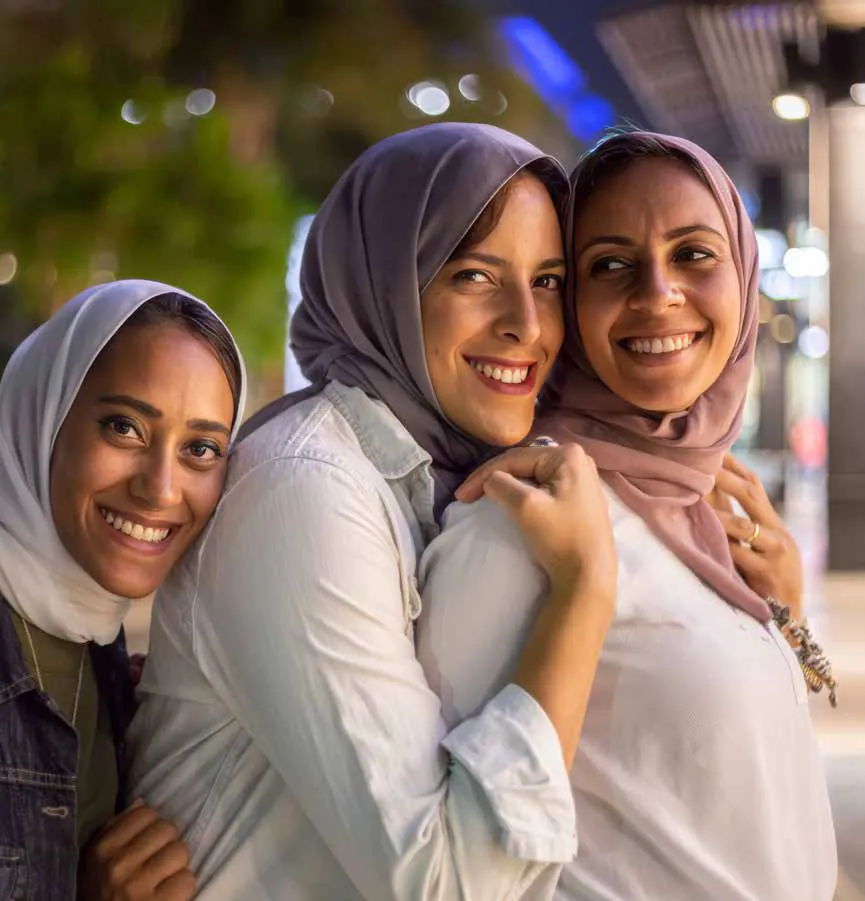
Two smiling women embracing
A white asphodel flower
  • Heritagethe culture behind each craft
  • Artisansthe people who make it
  • Markethandmade pieces, bought fairly
  • Auctionsrare pieces, sold in the open

Station I · Welcome

Ancient Egypt · Africa

The Atrium

Core International Peace Anchor, founded by Amira Elsallab. A home for Egyptian craft, its makers and their stories.

Two smiling women embracing

Welcome to CIPA

Core International Peace Anchor, founded by Amira Elsallab. A home for Egyptian craft, its makers and their stories.

Read more

CIPA, Core International Peace Anchor, was founded by Amira Elsallab on one conviction: Peace Begins with Dignity.

This website is CIPA’s home. Walk through the palace to discover the heritage behind Egyptian handicrafts, meet the artisans who make them, see their pieces in the Artisan Market, follow the rare-item auctions, and hear from the founder.

In the Artisan Market, CIPA buys handmade work from artisans at a fair, agreed price, presents each piece with its maker, and returns the proceeds to the artisans.

The six petals of the CIPA emblem stand for the six continents: an aspiration for the mission to reach the whole world.

Sarcophagus of Harkhebit

3D scan

595–526 B.C. · Greywacke

Read more

595–526 B.C. · Greywacke

H. 256.5 cm (101 in.); W. 127 cm (50 in.) at shoulders; th. (of lid and base together) 132.1 cm (52 in.)

Accession number 07.229.1a, b

Rogers Fund, 1907

The Metropolitan Museum of Art, Open Access (CC0). Late Period (Saite). Shown at life size. 3D scan.

The Temple of Dendur

3D scan

completed by 10 B.C. · Aeolian sandstone

Read more

completed by 10 B.C. · Aeolian sandstone

Temple proper: H. 6.40 m (21 ft.); W. 6.40 m (21 ft.); L. 12.50 m (41 ft.); Gate: H. 8.08 m (26.5 ft.); W. × 3.66 m (12 ft.); D. 3.35 m (11 ft.)

Accession number 68.154

Given to the United States by Egypt in 1965 and awarded to The Metropolitan Museum of Art in 1967

The Metropolitan Museum of Art, Open Access (CC0). Roman Period. Scaled model of the 3D scan.

Statue of Horus as a falcon protecting King Nectanebo II

3D scan

360–343 BCE · Metagraywacke

Read more

360–343 BCE · Metagraywacke

H. 72 × W. 20 × D. 46.5 cm, 55.3 kg (28 3/8 × 7 7/8 × 18 5/16 in., 122 lb.)

Accession number 34.2.1

Rogers Fund, 1934

The Metropolitan Museum of Art, Open Access (CC0). Late Period. Shown at life size. 3D scan.

Station II · Peace: connection and creativity

Hall of Peace

Hall of Peace

Handicrafts bring people together: spaces for conversation, collaboration, cultural exchange and shared experiences.

Connecting through crafts

  • Crafts that bring people together
  • Community activities
  • Cultural exchange
  • Working together
  • Shared traditions

Creativity and inner peace

  • Creativity and self-expression
  • Mindful making
  • Calm through craft
  • Personal stories
  • Art and wellbeing
Two hands joined in peace

Connecting through crafts

Handicrafts bring people together: spaces for conversation, collaboration, cultural exchange and shared experiences.

Read more

Handicrafts bring people together: spaces for conversation, collaboration, cultural exchange and shared experiences.

In this hall

  • Crafts that bring people together
  • Community activities
  • Cultural exchange
  • Working together
  • Shared traditions

Creativity and inner peace

Making and enjoying crafts gives moments of calm, self-expression and reflection.

Read more

Making and enjoying crafts gives moments of calm, self-expression and reflection.

In this hall

  • Creativity and self-expression
  • Mindful making
  • Calm through craft
  • Personal stories
  • Art and wellbeing

Station III · Artisan Market

Showroom of the Makers

Showroom of the Makers

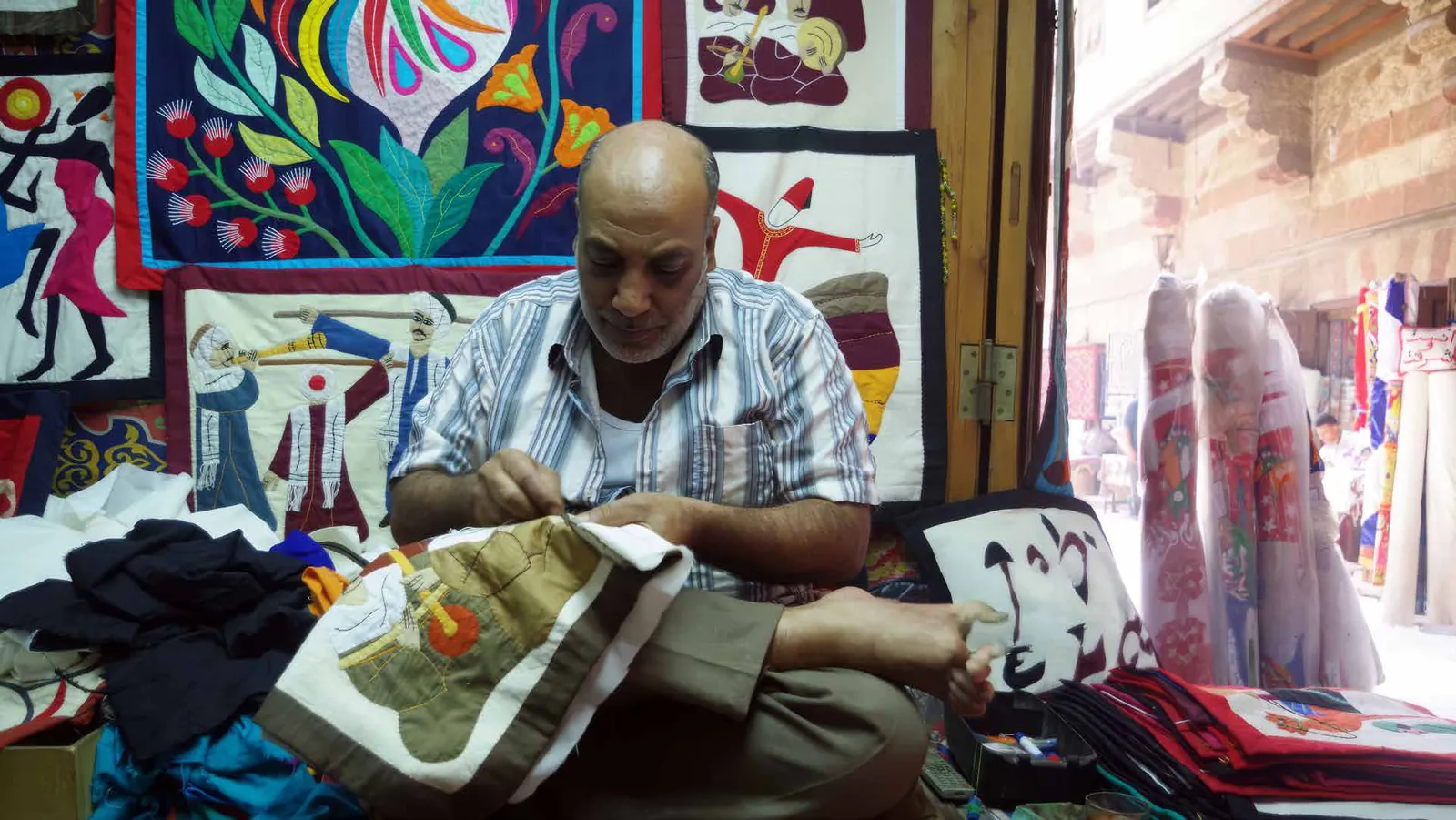
A textile artisan among colourful fabrics

The Artisan Market

CIPA buys handmade work at a fair price, presents each maker with pride, and returns the proceeds.

Read more

To give skilled artisans with limited income a fair, dignified route to market: CIPA buys their handmade work at an agreed fair price, presents each maker with pride, sells to buyers in Egypt and abroad, and returns the proceeds to the artisans.

Artisans are makers and partners, not recipients.

How it works

Buy fairly. Present with pride. Sell. Return value.

Read more
  1. Identify and onboard artisans through CIPA’s programmes and partners: onboarding form, written consent, agreed price list, sample piece.
  2. Buy at a fair, pre-agreed price, paid up-front or at agreed milestones, with a receipt.
  3. Present each piece with its maker: quality check, dignified photography with consent, and the story told in the maker’s voice.
  4. Sell through the online shop, WhatsApp orders, gift sets and corporate (CSR) orders.
  5. Return value: proceeds after direct costs go back to artisans (purchase price, bonus, materials, training) and are reported on a public Impact page.

The founder’s story

Coming soon

In Amira Elsallab’s own words. Coming soon.

Read more

Amira Elsallab’s story will appear here, in her own words.

Coming soon. It will be written or approved by Amira. It is not yet published.

Maker pieces

Coming soon

Handmade pieces will be shown here with their makers. Coming soon.

Read more

Each piece will be presented with its maker: quality-checked, photographed with consent, and with the story told in the maker’s own voice.

Coming soon. No products, prices or maker names are published yet.

Station IV · Auction winners and their pieces

Hall of Contributors

Hall of Contributors

The people who took home CIPA’s rare pieces.

Hall of Contributors

The people who took home CIPA’s rare pieces.

Read more

This hall honours the winners of CIPA’s auctions: who they are, the piece they took home and the story of that piece. Each entry is added after an auction, with the winner’s consent.

The cards below show the lots of the preview auction. Winners appear here after the auction.

Layla Hassan

Lot 1 · Fayoum · Sample entry

Large hand-thrown urn · Cairo. Layla placed the urn in the entrance of her family home. She says it is the first thing guests ask about.

Read more

Cairo. Layla placed the urn in the entrance of her family home. She says it is the first thing guests ask about.

Won by Layla Hassan.

Large hand-thrown urn · Lot 1 · Fayoum

Omar Farouk

Lot 2 · Cairo · Sample entry

Carved cedar chest · Alexandria. Omar bought it for his daughter’s wedding. The piece now sits in the room where the family gathers.

Read more

Alexandria. Omar bought it for his daughter’s wedding. The piece now sits in the room where the family gathers.

Won by Omar Farouk.

Carved cedar chest · Lot 2 · Cairo

Nadia Samir

Lot 3 · Khan el-Khalili · Sample entry

Mosque lantern, pierced brass · Giza. Nadia teaches school and keeps the piece in her classroom, to show her students what patient hands can make.

Read more

Giza. Nadia teaches school and keeps the piece in her classroom, to show her students what patient hands can make.

Won by Nadia Samir.

Mosque lantern, pierced brass · Lot 3 · Khan el-Khalili

Karim Mansour

Lot 4 · Street of the Tentmakers · Sample entry

Khayamiya wall hanging · Luxor. Karim collects Egyptian craft. This is the first piece he bought online, from his phone, without leaving home.

Read more

Luxor. Karim collects Egyptian craft. This is the first piece he bought online, from his phone, without leaving home.

Won by Karim Mansour.

Khayamiya wall hanging · Lot 4 · Street of the Tentmakers

Salma Adel

Lot 5 · Old Cairo · Sample entry

Signed Muski glass vase · Aswan. Salma gave the piece to her mother. It hangs where the morning light reaches it first.

Read more

Aswan. Salma gave the piece to her mother. It hangs where the morning light reaches it first.

Won by Salma Adel.

Signed Muski glass vase · Lot 5 · Old Cairo

Station V · Europe

Europe · Europe

The Rotunda

Anchoring a culture of community peace through education, empowerment, wellbeing and partnerships.

Mission

Anchoring a culture of community peace through education, empowerment, wellbeing and partnerships.

Read more

Anchoring a culture of community peace through vocational education, economic empowerment, health and wellbeing support, and accountable multi-sector partnerships.

Vision

Communities that are secure, balanced and capable of peaceful coexistence, in full human dignity.

Read more

Communities that are secure, balanced, and capable of peaceful coexistence and self-sustained development in full human dignity.

Core values

Human dignity · non-discrimination · integrity · agency · evidence · accountability · privacy.

Read more
  • Human dignity
  • Strict non-discrimination
  • Verifiable integrity
  • Inclusive agency
  • Evidence-based action
  • Full accountability
  • Privacy protection

The Rotunda

3D scan

Europe, the sixth petal of the CIPA flower.

Read more

Europe is the sixth and last petal of the CIPA flower. A round garden hall, set for dinner, closes the walk through six continents.

Walk in through the open front, pass between the tables and look up at the painted dome.

Station VI · Reading room

The Library · North America

The Library

The cultural identity behind Egyptian handicrafts: the traditions, history, symbols and stories that make each craft meaningful.

Heritage and culture

  • Egyptian heritage and traditions
  • Cultural symbols and their meanings
  • The history of traditional crafts
  • Regional crafts
  • The stories behind the pieces

Craft and creativity

  • How each piece is made
  • Traditional techniques
  • Materials and tools
  • Traditional and modern designs
  • Behind the scenes in the workshop

Heritage and culture

The cultural identity behind Egyptian handicrafts: the traditions, history, symbols and stories that make each craft meaningful.

Read more

The cultural identity behind Egyptian handicrafts: the traditions, history, symbols and stories that make each craft meaningful.

In this hall

  • Egyptian heritage and traditions
  • Cultural symbols and their meanings
  • The history of traditional crafts
  • Regional crafts
  • The stories behind the pieces

Craft and creativity

The handmade process: the skills, techniques, materials and creativity that go into every Egyptian craft.

Read more

The handmade process: the skills, techniques, materials and creativity that go into every Egyptian craft.

In this hall

  • How each piece is made
  • Traditional techniques
  • Materials and tools
  • Traditional and modern designs
  • Behind the scenes in the workshop

The Library

3D scan

A wood-panelled reading room.

Read more

A quiet reading room with books, a fireplace and deep leather chairs.

Station VII · Mexico

Mexico · North America

The Mexican Room

The artisans are at the heart of CIPA: their personal stories, their skills and their bond with their craft.

Artisan stories

  • Meet the artisan
  • Personal journeys
  • Family traditions
  • Skills passed down through generations
  • Challenges and achievements

Artisan stories

The artisans are at the heart of CIPA: their personal stories, their skills and their bond with their craft.

Read more

The artisans are at the heart of CIPA: their personal stories, their skills and their bond with their craft.

In this hall

  • Meet the artisan
  • Personal journeys
  • Family traditions
  • Skills passed down through generations
  • Challenges and achievements

The Mexican Room

3D scan

Mexico: a room of folk art.

Read more

A whitewashed room with dark beams, a terracotta floor and a wall of masks and folk art.

Station VIII · South America

South America · South America

Andina

How handicrafts support local communities and open opportunities for women, youth, families and artisans.

Community and empowerment

  • Women in handicrafts
  • Young people taking part
  • Family businesses
  • Local communities
  • Economic opportunities

Community and empowerment

How handicrafts support local communities and open opportunities for women, youth, families and artisans.

Read more

How handicrafts support local communities and open opportunities for women, youth, families and artisans.

In this hall

  • Women in handicrafts
  • Young people taking part
  • Family businesses
  • Local communities
  • Economic opportunities

Andina

3D scan

South America: a courtyard restaurant.

Read more

A long courtyard restaurant under a palm, with terracotta walls, hanging plants and woven chairs.

Station IX · Rare-item auctions

Rome, Italy · Europe

Auction Hall

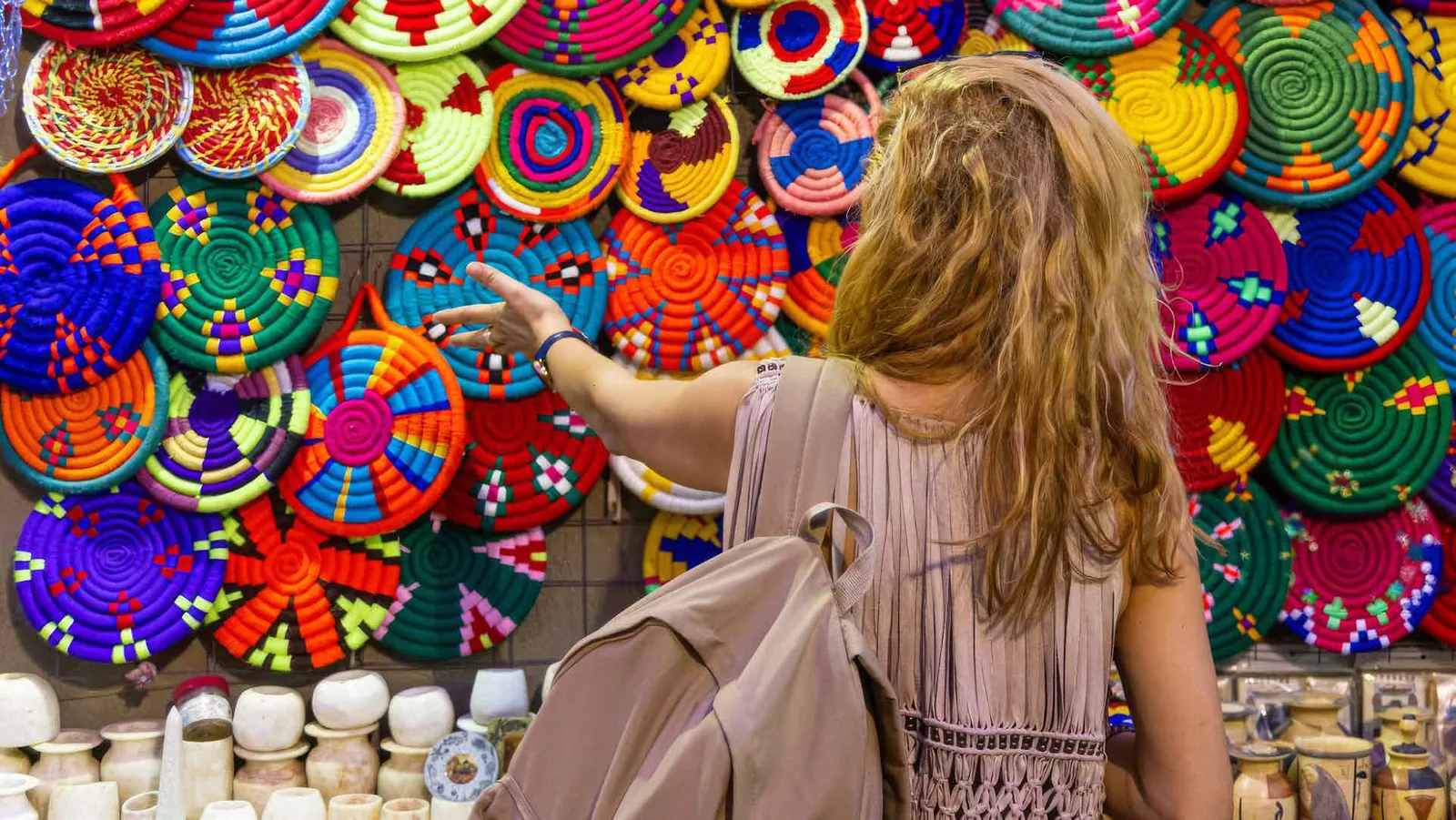
Handwoven baskets in bright colours

Puteal (wellhead) with Narcissus and Echo, and Hylas and the Nymphs

3D scan

2nd century · Marble

Read more

2nd century · Marble

Height: 104 cm (40 15/16 in.); Diameter: 67 cm (26 3/8 in.); Height of base: 22 cm

Accession number 2019.7

The Bothmer Purchase and Diane Carol Brandt Funds, 2019 (full credit list at metmuseum.org)

The Metropolitan Museum of Art, Open Access (CC0). Roman, Antonine or Severan. A Roman-period work from the Met, not an emperor portrait.

Marble sarcophagus with lions felling antelope

3D scan

3rd century · Marble

Read more

3rd century · Marble

44 × 84 × 40 in. (111.8 × 213.4 × 101.6 cm)

Accession number 2021.264.2

Gift of Carmel and Eugene Krauss M.D., 2021

The Metropolitan Museum of Art, Open Access (CC0). Roman. A Roman-period work from the Met, not an emperor portrait.

Bronze figure of a boy in Eastern dress

3D scan

mid-late 1st century BCE · Bronze

Read more

mid-late 1st century BCE · Bronze

63.8 cm (25 1/8 in.), 13.4 kg

Accession number 49.11.3

Edith Perry Chapman Fund, 1949

The Metropolitan Museum of Art, Open Access (CC0). Greek, Ptolemaic or Roman; Late Hellenistic or Early Imperial.

Online auction

Upcoming

Each lot has its own page: photos, the maker’s story, starting bid, reserve rule and closing time.

Read more

Each lot has a page with photos, the maker’s story, the starting bid, the reserve rule and the closing time. Registered bidders place bids; the highest valid bid at closing wins and pays through an approved channel.

Event auction

Upcoming

Held at a CIPA event. An auctioneer runs the room; bidders register at the door.

Read more

Held at a CIPA event, for example the Peace Award season, a Ramadan or a year-end evening. An auctioneer runs the room; bidders register at the door.

Fair by design

Upcoming

The maker receives the agreed price first, whatever the final bid.

Read more

Auctions are held for special moments. They offer one-of-a-kind or limited artisan pieces, offered with the maker’s written consent, and items given by partners or supporters with written confirmation of ownership and history.

Every description is factual: maker, materials, date, size. No unverifiable claims of rarity or value.

Safeguards

  • The maker receives the agreed price first, whatever the final bid.
  • Written consent for the auction and for the photo, name and story, with the right to withdraw before the lot is published.
  • Starting bid and reserve are set in writing before publication; if a reserve exists, the page says so.
  • Staff, board members and their close relatives do not bid or advise on valuation.
  • Verified bidders only; no bids by the organisers.
  • Auction income is its own line in the ledger, with a receipt for every payment.

How an auction runs

  1. Select the lots and get written consent from each maker.
  2. Prepare: quality check, photography, the story, starting bid and reserve in writing.
  3. Announce on the website, social media and the newsletter.
  4. Register bidders with verified contact details; bids are binding.
  5. Hold the auction, online window or live event.
  6. Collect and deliver: payment, receipt, packaging, shipping or hand-over.
  7. Report: a results page and a line in the Impact report.

Upcoming. Format, date and lots will be announced on this site. Auctions are subject to legal confirmation.

Station X · The founder

Greece · Europe

Throne Room

Founder’s message

Art has never been merely an aesthetic pursuit; it is our deepest form of dialogue when words fall short, and the most enduring bridge toward understanding and peace.

AMIRA ELSALLAB
Stylised painting of Persephone: spring on the left in a green cloak with blossoms and a white lily, the Underworld on the right in a purple cloak with crimson lilies and a glowing pomegranate, standing on a gold Greek-key pedestal.

Founder’s message

“Art has never been merely an aesthetic pursuit; it is our deepest form of dialogue when words fall short.”

Read more

“Art has never been merely an aesthetic pursuit; it is our deepest form of dialogue when words fall short, and the most enduring bridge toward understanding and peace.”

“At CIPA, our foundation rests on a singular conviction: creative expression possesses the transformative power to mend human connections and foster more enlightened communities. We exist not merely to celebrate art, but to build an active platform that empowers creators, preserves cultural memory, and unites diverse perspectives across borders.”

“Welcome to our mission. We invite you to join us in shaping a meaningful, lasting legacy that inspires the world.”

AMIRA ELSALLAB

Station XI

Write to CIPA

Questions, partnerships, press. The form below is a preview: it is not connected yet.

Fields marked * are required.

Built by Plexus